
- Household income protected
- A single malaria hospitalisation costs KES 5,000–10,000 in treatment, transport, and lost income. An avoided hospitalisation keeps that money in the family.
- Time returned to families
- A mother who does not spend four days in hospital keeps four days of productive time — farming, trading, caring for other children.
- Children stay in school
- A child who does not get sick stays in class. School absenteeism during malaria season is tracked by the pilot as an independent impact measure.
- Women earn more
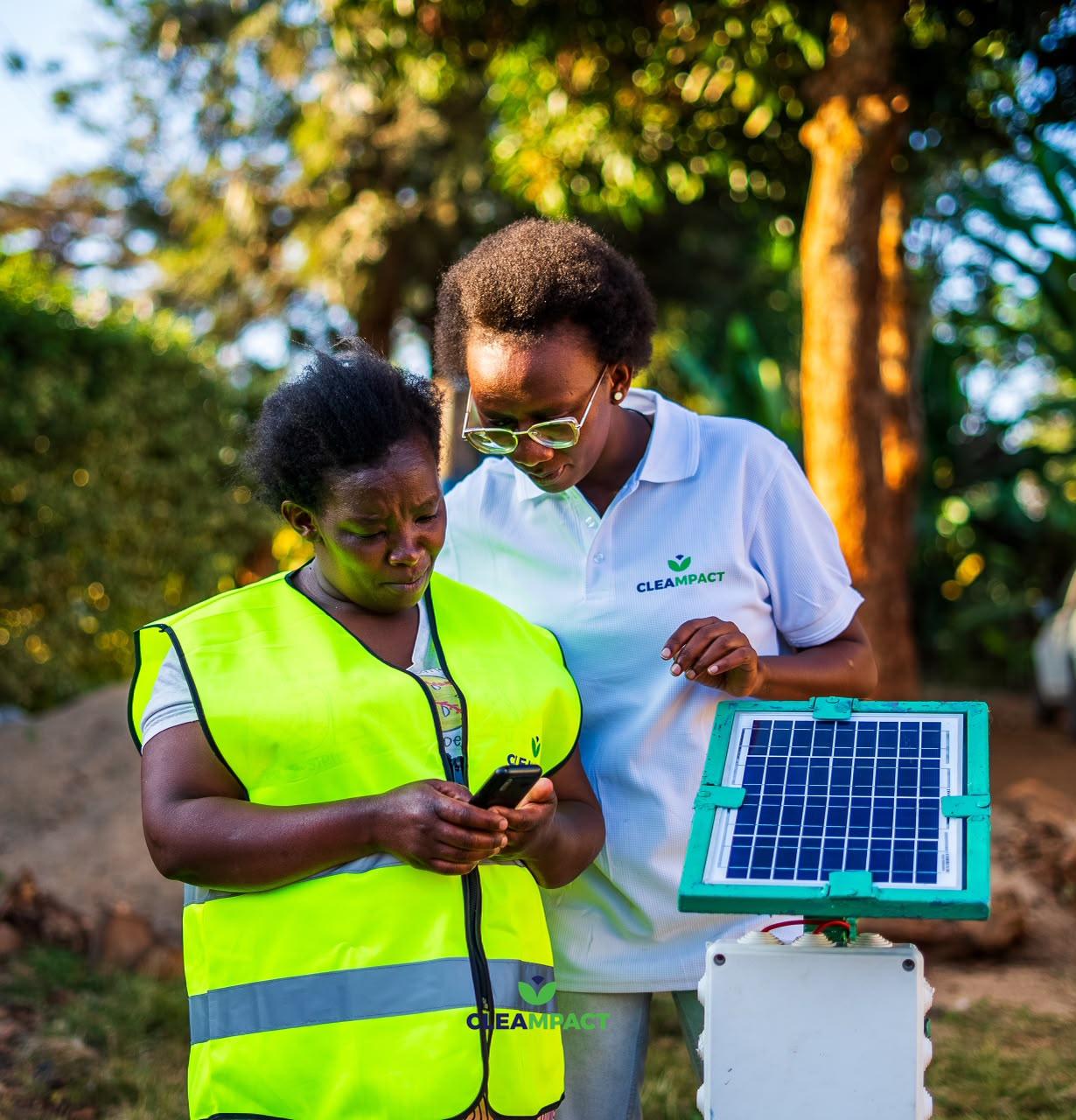
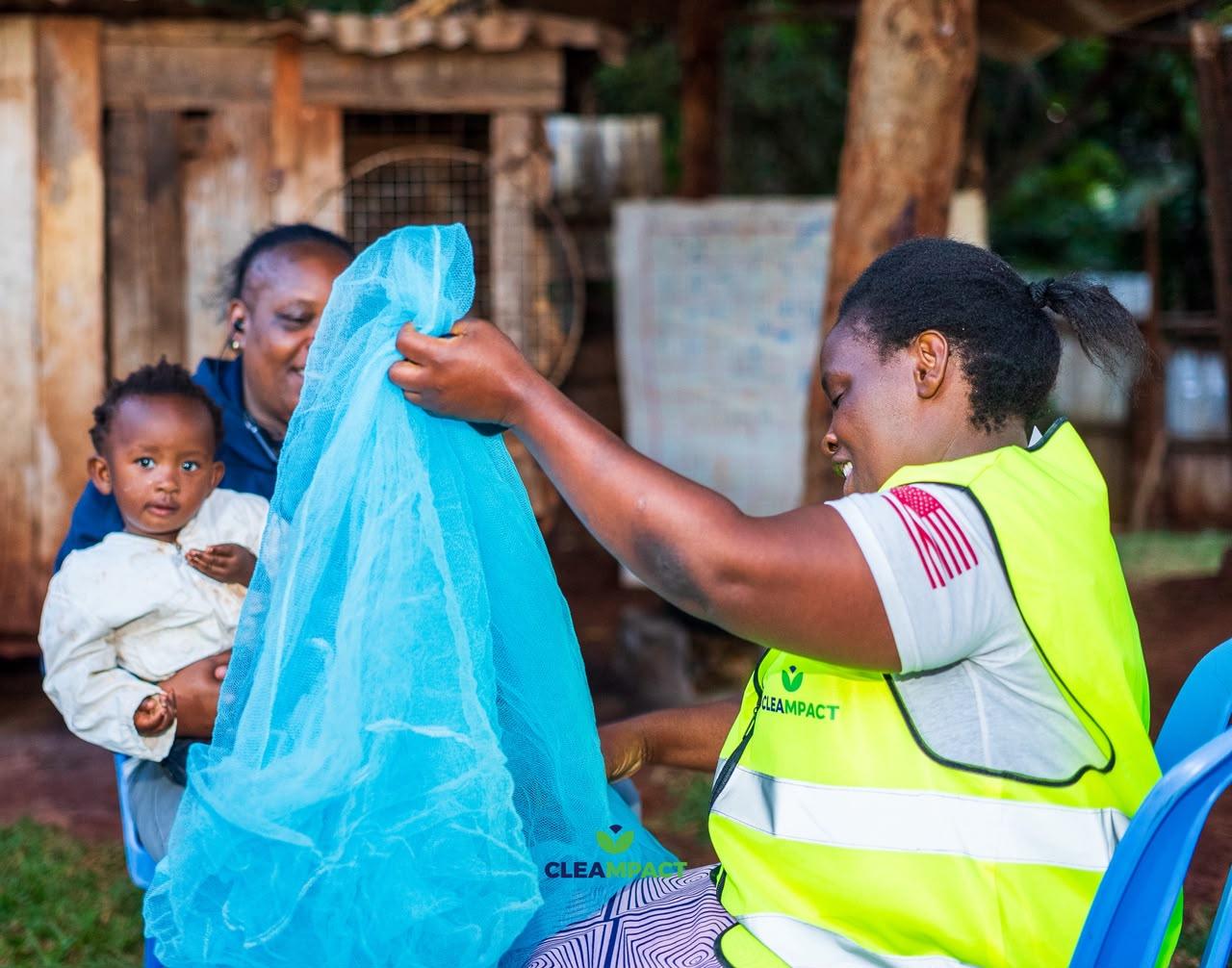
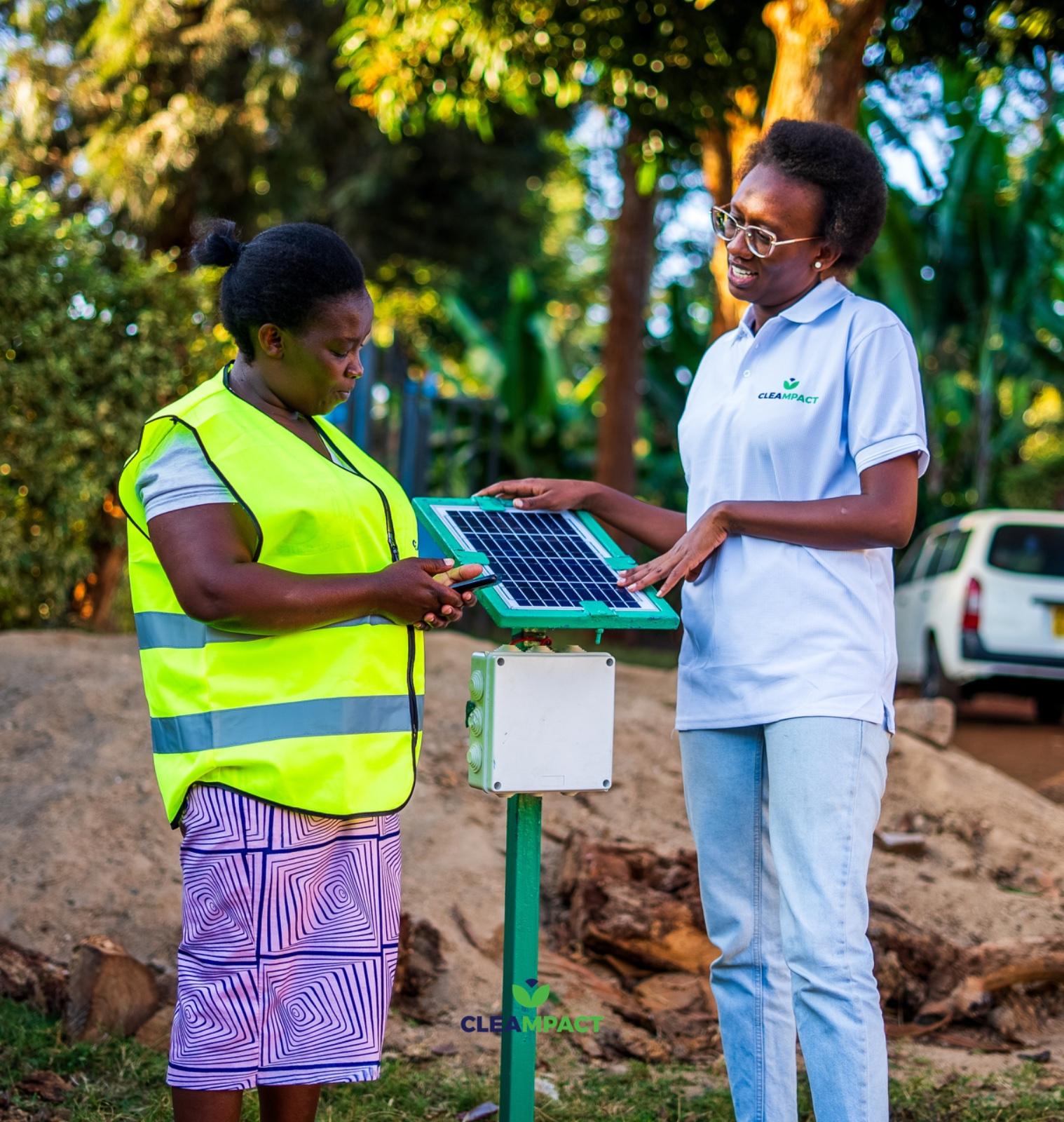
- 75% of Kenya's CHPs are women. LINDA's earnings model — KES 200 per verified action, KES 500 per referral — directly increases income for women health workers.
- Stronger health systems
- Fewer patients reaching the HDU. Health workers can focus on acute care. Facilities are less overwhelmed during peak disease seasons.
- Climate resilience built over time
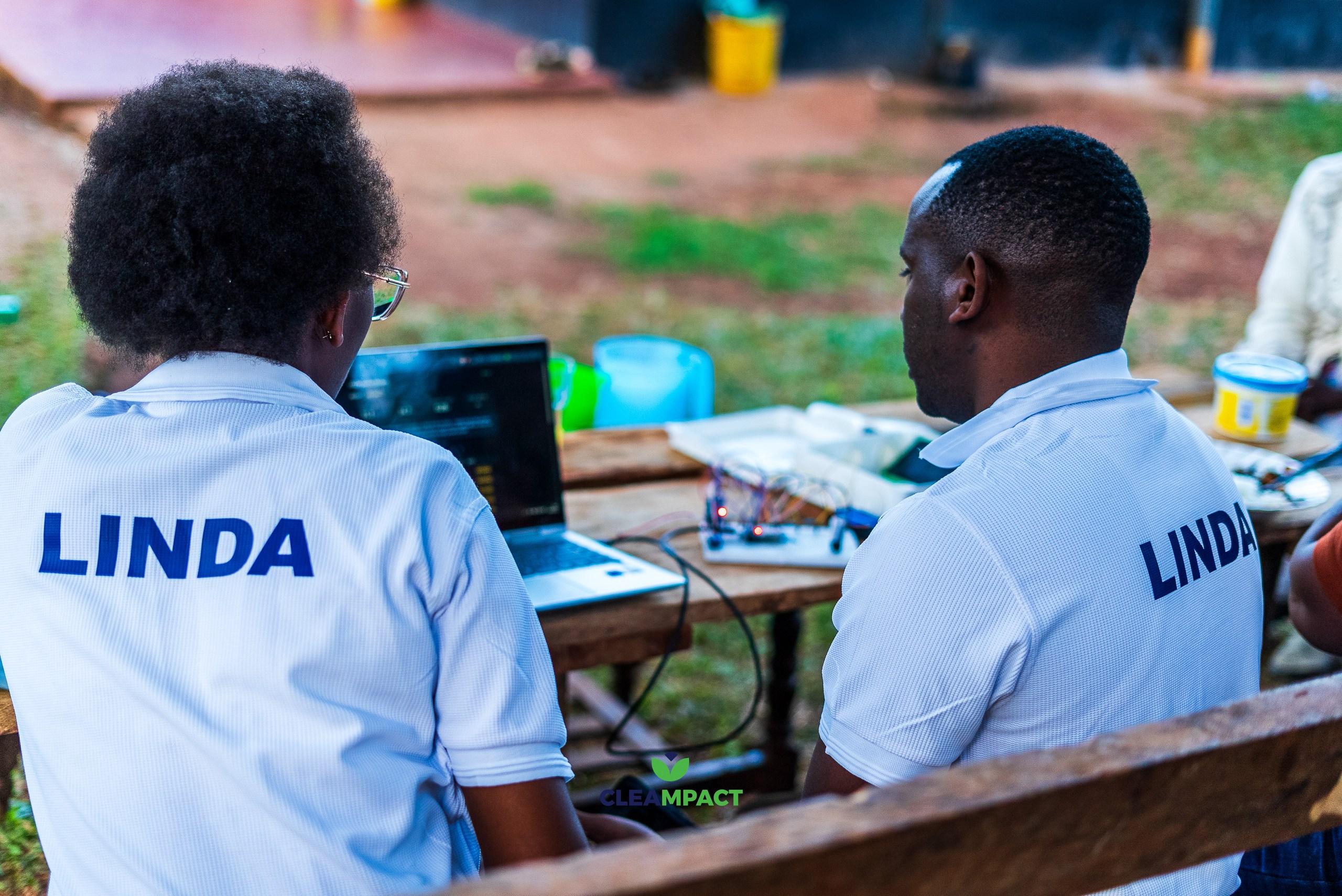
- Each pilot cycle retrains the AI model. Each new rainy season adds to the dataset. Communities build accumulated climate-health intelligence that grows more precise every season.